Cashew Market: Premiums, Pressure and the Global Demand
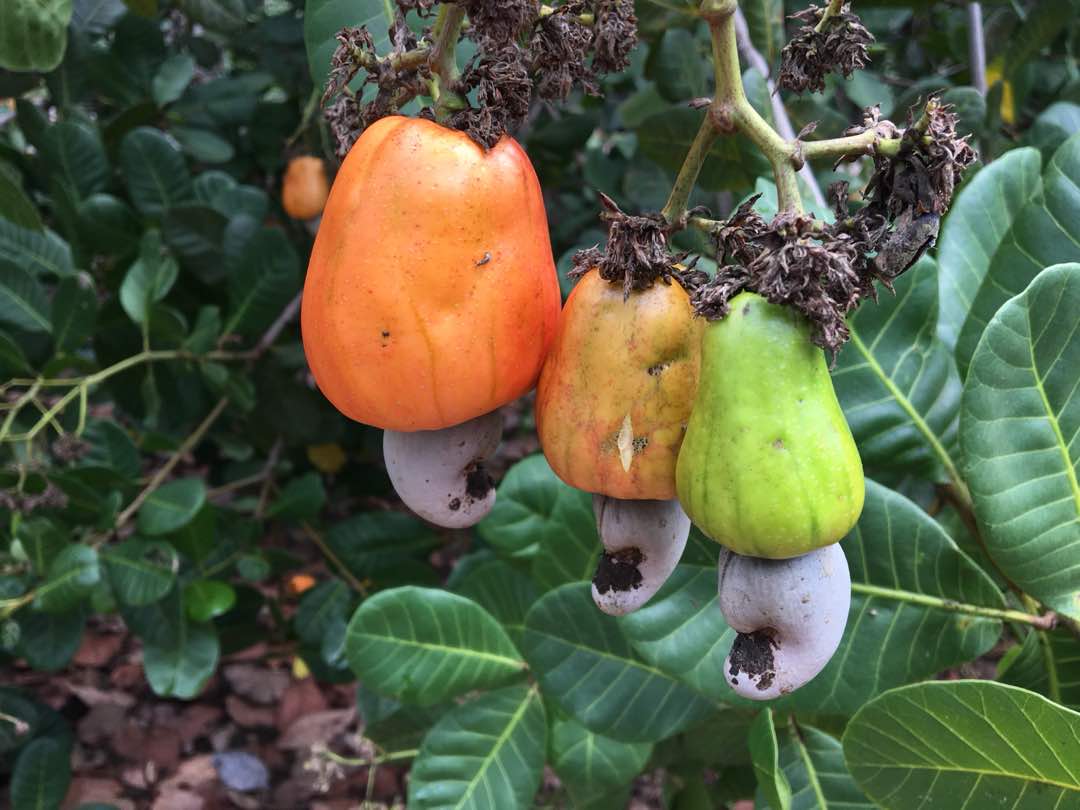
Nigeria's cashew rapidly trade high, with prices hitting ₦2 million per ton in less than a month, representing 29% increase from the January average of 1.55 million per ton by the end of February. However, unpredictable weather, including irregular rainfall and fluctuations in humidity, is creating significant quality differences across regions as well as production quantity drop. Early-season nuts are failing to meet the KOR (Kernel Outturn Ratio) levels needed to maintain Nigeria’s premium reputation.
A popular rhetoric that farmers should make more money for their effort continues to shape the discussion clouding important conversation about the nature of the value chain. The reality of the transaction chain tells a different story. Quality inconsistencies and competitive pressures from regional peers are reshaping the market. Ogbomosho, once the benchmark region for cashew quality, is losing its ground to consistent volume supply from the Saki and the Oke-Ogun axis of Oyo state.
FX dynamics pose another factor altering export dynamics as farm gate prices stay inconsistent with the implied exchange rate value for exporters. Unlike Côte d’Ivoire, which fixes farmgate prices to protect processors, Nigeria’s liberalised market forces them to buy raw nuts at near-export parity.
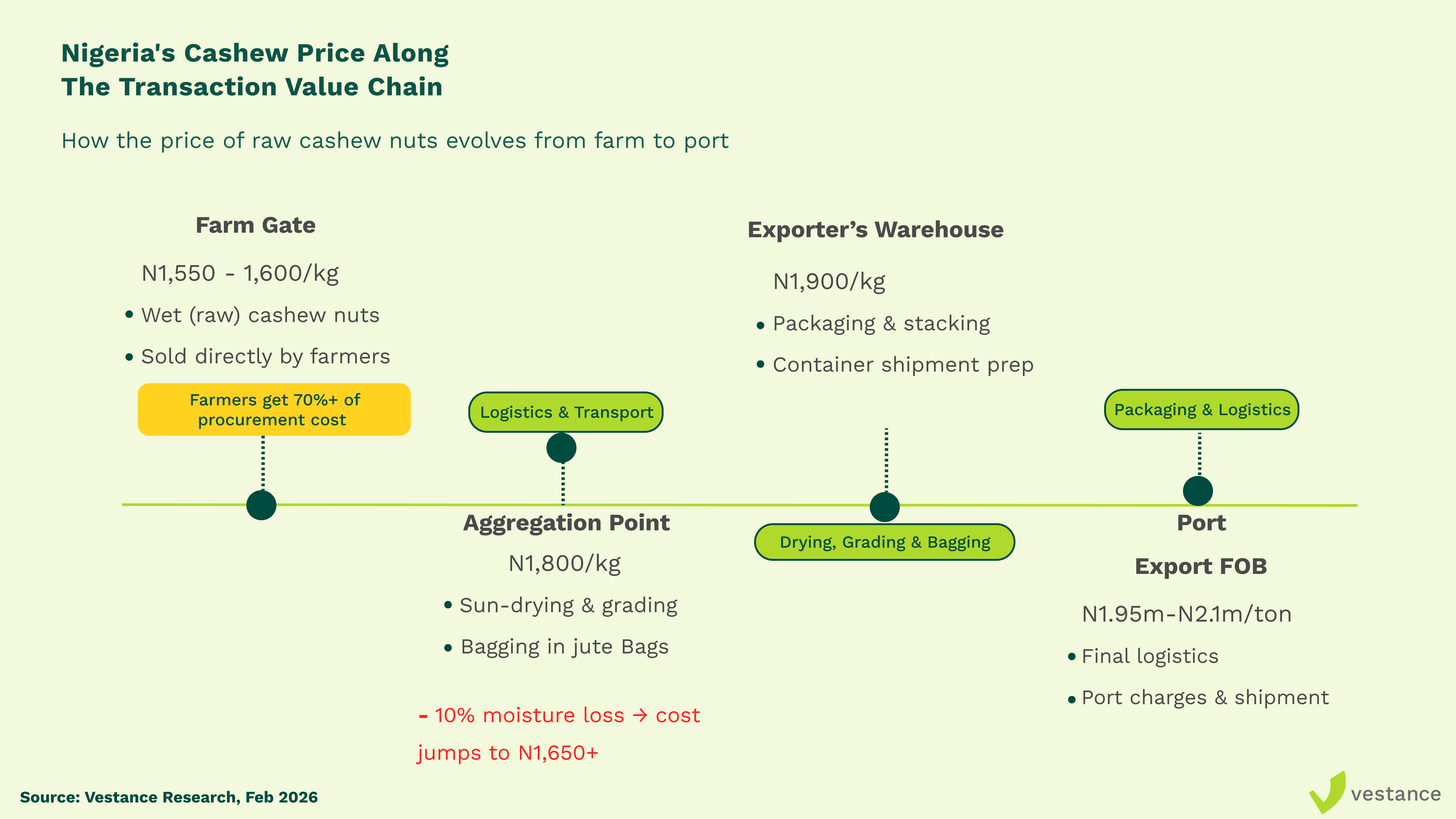
Price Movement Across the Value Chain
At the hinterland, wet cashew nuts sell between ~₦1600 -₦1,700/kg; this figure represents the selling price from farmers, not the cost base, as cashew trees are a perennial crop. For aggregators, sundrying and grading reduce volume by about 10-20%, pushing the effective cost closer to ₦1,800+/kg. Thus, farmers capture over 70% of the total procurement cost, making them the dominant beneficiaries of the chain.
The supposed “huge profit” attributed to traders can thus be misleading: what appears to be margin is in fact absorbed by logistics, drying, grading, packaging, and port charges. By the time cashews reach the exporter’s warehouse or port, intermediaries are operating on thin margins, often covering costs and minimal margin rather than generating massive profit. For many aggregators or exporters, the transaction value lies in their cash conversion cycle, turnovers and the quality of relationship with their foreign buyers.
Pricing in the Nigerian cashew market, unlike Cocoa, is often not transparent, and it is driven more by reference to other contracts or opportunistic buyer behaviour. Farmers and collectors lack access to reliable information on global demand and quality benchmarks, which allows intermediaries to set prices based on selective signals rather than standardised metrics.
This asymmetry amplifies volatility, weakens bargaining power for producers, traders, and anchors inefficiencies across the chain. The naira’s movement against the dollar shapes Nigeria’s cashew margins. But as the currency strengthens, the dollar brings in fewer naira, squeezing profitability. This shift explains why farmgate exuberance quickly turns into export pressure.
Production Challenges and the Season Outlook
Nigeria produces approximately 300,000 metric tons of RCN annually, making it Africa's second-largest producer after Côte d'Ivoire, and the harvest season typically opens from late January onward — meaning new crop is beginning to flow into buying centers in key producing zones. Nigeria is recognised for diverse quality ranges, with premium parcels sourced from Ogbomosho, Saki and Kogi origins. Typically, the Ogbomosho/Saki origins command the highest price discovery. Unlike Côte d'Ivoire and Burkina Faso, Nigeria has no formal export restrictions in force, which gives it a relative logistical edge; though this also means sellers face unfiltered price competition from international buyers.
Quality and Qauntity Concern
Higher outturn grades (49–50 KOR and above) are limited in the early season as production volumes are tightening. Early crop feedback points to quality variation across zones, with some testing below expectations. In our outlook, we highlighted the potential impact of weather stress on key crops. Nigeria is experiencing weather-related stress that is causing 2026 production to dip slightly versus 2025. This is beginning to support firmer seller sentiment at origin, i.e., farmers and pickers have been stalling for the past 2 weeks, as they are unwilling to sell below NGN1600 for Wet Cashews.
Wait and See Approach
India remains a significant importer, with procurement volumes projected at 280,000–300,000MT, though buying interest from Indian traders on Nigerian-specific lots has slowed in recent weeks. Vietnam remains the potential dominant off-taker, but currently, signalling bids USD 70–80/MT lower. This coincides with the current instability in the Middle East, the 4th largest consumer market for cashew kernels.
A prolonged war escalation in the region could severely limit consumer demand for cashew as inflation bites harder and consumers' priorities shift, thereby threatening potential revenue for processors in Vietnam and India. Beyond the impact of consumer action as a result of the economic slowdown caused by the war, there is a growing concern about increasing freight costs caused by a hike in fuel costs, insurance premiums, and increasing traffic as trade redirects from the Red Sea and the Strait of Hormuz region to other regions.
Policy Levers
Nigeria occupies a difficult and uncertain position: policies to support the Cashew must be well thought through, as the commodity remains too expensive as a snack for locals. Thus, processors lack the incentives to invest in a commodity with a bare local consumer market. Nigeria’s cashew, unlike Shea nut, requires a multifaceted approach; an effective implementation of the existing ban on expatriates at the farmgate that protects local value chain actors from crumbling. This approach not only provides immediate relief but also lays the groundwork for long-term resilience.
Policy recommendations:
Quality Standardisation: Implement national grading systems for kernel output ratio (KOR), moisture, and nut size, to reduce distortions and strengthen Nigeria’s premium reputation. As of today, many cashew producing region in Nigeria lose out even when there is a significant production volume due to quality and pricing disparity, unlike in other West African countries where their crop is priced as single origin.
Farmgate Reform: Though previously banned, expatriates' activities at the farmgate are a net negative action for the long-term resilience of the cashew sector, as they cut out indigenous actors and use asymmetric knowledge to dictate the market price. Prices are jacked up and crashed at will via collusion, creating significant distortion for local players. From the farm gate to the destination, the activities of the expatriates dampen the rural economy in the long term through margin squeeze and monopolisation of the value chain for their own kindred.
Processing Incentives: Processing is not a magic wand, and the fact that processed cashews trade at 4x the price of raw nuts does not translate into 4x the profit. This is well understood by traders, who prioritise low-effort, low-risk trading of raw nuts over processing. To sell processed cashew kernels rather than raw cashew nuts, a processor needs, at minimum: processing machineries; food safety certifications such as HACCP, or FDA compliance, depending on the destination market; packaging lines capable of maintaining shelf life across long-distance shipping; and working capital sufficient to finance an extended inventory and payment cycle, since processed goods sit in the value chain longer before they convert to cash.
The processor absorbing these risks is not doing this in a vacuum; they are operating in an environment where interest rates routinely exceed thirty per cent per annum, foreign exchange volatility that can erode export revenue between the time a deal is signed and the time payment is received, and logistics infrastructure that routinely adds cost and delay at every point of contact.
Thus, to favourably build a processing capability and take over the consumer market. The government cannot rely on the ban of raw cashew nuts as an instrument. It must provide tax breaks, concessional financing, and equipment subsidies to expand domestic processing capacity and capture more value locally. This must be followed with branding and marketing support to augment the cost of visibility for Nigerian snacks origin in the destination market while also stimulating domestic demand through consumer awareness campaigns.
Conclusion
Nigeria’s cashew industry is at a crossroads between short‑term price exuberance and long‑term sustainability. While high farmgate prices have boosted farmer incomes in the immediate term, they have also exposed the vulnerabilities of the wider value chain: thin trader margins, currency pressures, and intensifying global competition.
Moving forward, Nigeria must adopt a strategic and inclusive approach: one that empowers local producers, secures the supply chain, and promotes transparent pricing. Such reforms are essential not only to preserve Nigeria’s premium reputation in global markets but also to build resilience, strengthen domestic processing, and drive sustainable development across the agricultural sector.
REFERENCES
Tanzania Cashew Board – Auction System & Export Levy- Cashew Board of Tanzania ~
Tanzania Mercantile Exchange PLC ( Cashew price per kg in Tanzania)
Trade Data & Market Insights - Cashew Nut Import In India 2026: Trade Data & Market Insights
India Trade Reports - India Cashew Market Size, Share, Report 2031 Forecast
Vietnam Export Data - Vietnam’s cashew exports top USD 5 billion, raising questions over economic efficiency - VINAGRI News
China Import Data - Jayant-Babani.pdf
Cashew prices hit Rs 900 per kg in Srikakulam | Vijayawada News - The Times of India
Cashew season begins in Pernem with early fruiting and harvesting
Ivory Coast Sets Lower Cashew Farmgate Price for 2026 Season Amid Global Market Pressures | African Cashew Alliance ( Cashew price per kg in the Ivory Coast)